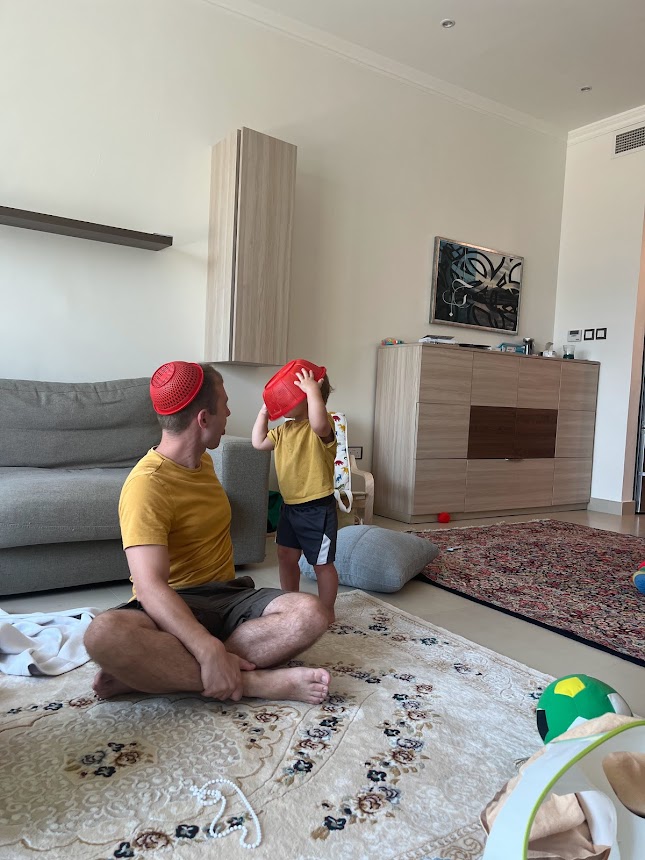
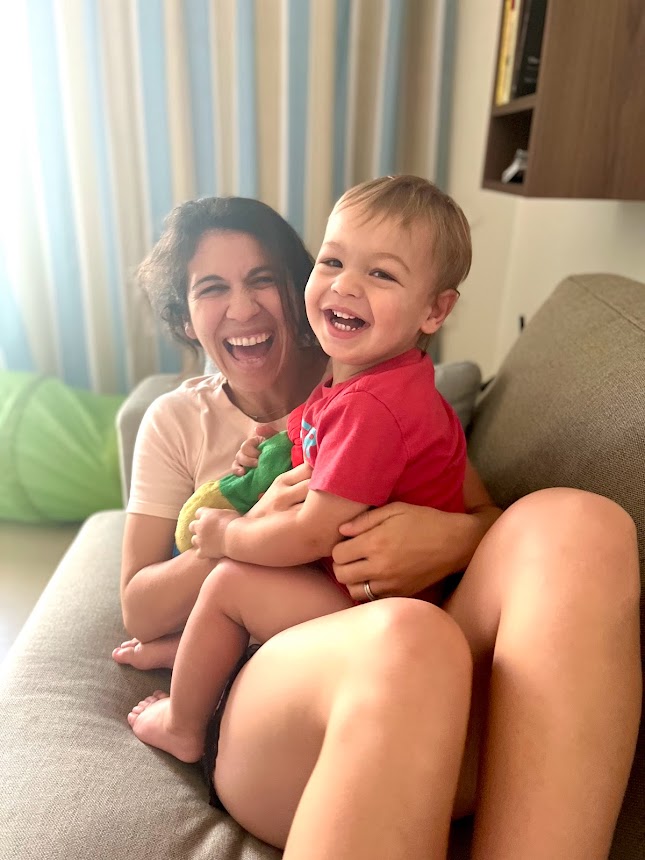
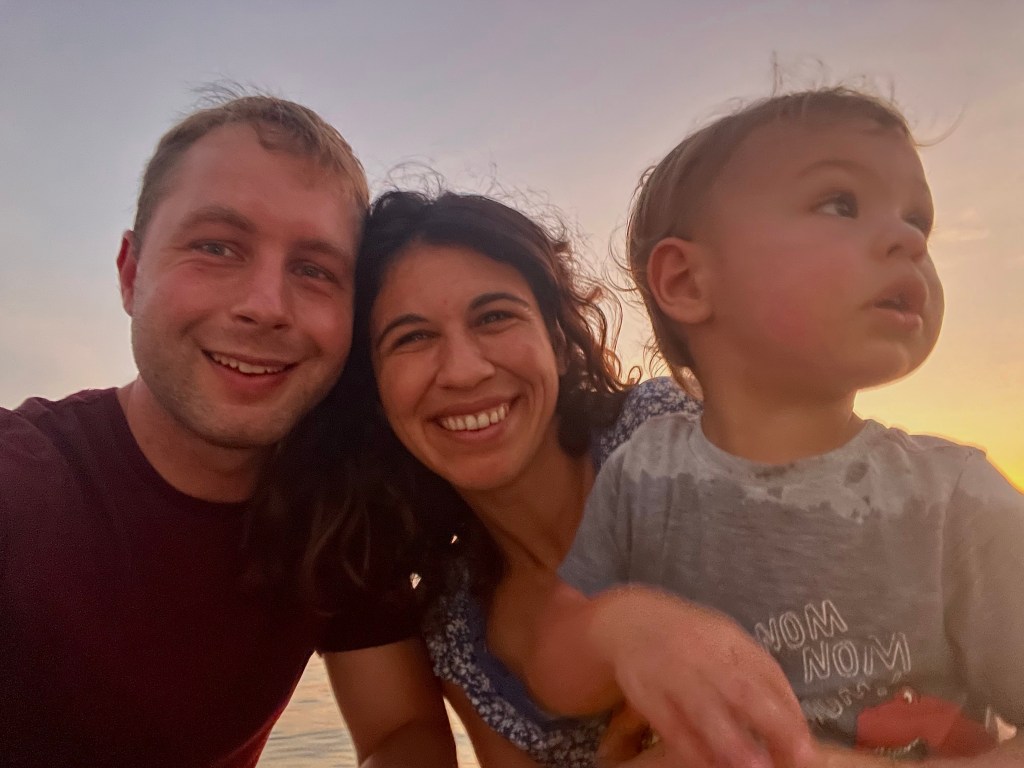
Prior to coming out to Bahrain for our extended summer Milo and I visited during my school’s spring break. I wanted both to see Adam, and to decide whether it would be a good place for Milo to spend a few summer months later in the year. On arrival it was obvious that being all together would trump any other living arrangement no matter what, but what we also realized saw was how calm and easy a place Bahrain would be for us both to parent.
There are of course societal and cultural differences that come into play, but rarely are they problems. I wanted to share them because I hope to spread the word, and maybe even bring some back with us when we resume our daily lives in New Jersey this fall.
- People care for children IMMENSELY. I didn’t quite know how to word this, but everywhere we go, whether within our apartment building or out and about exploring the island, people treat Milo as they would their own family members. It is striking, and a little off-putting at first, but truly wonderful. The staff who work in our apartment go out of their way to greet and actually play with Milo every time they see him. When we go to restaurants or coffee shops other adults often just want to play and give him snacks, cookies, and sweets. He is one spoiled guy out here because whenever we go out for weekend coffee Milo comes away with something tasty!
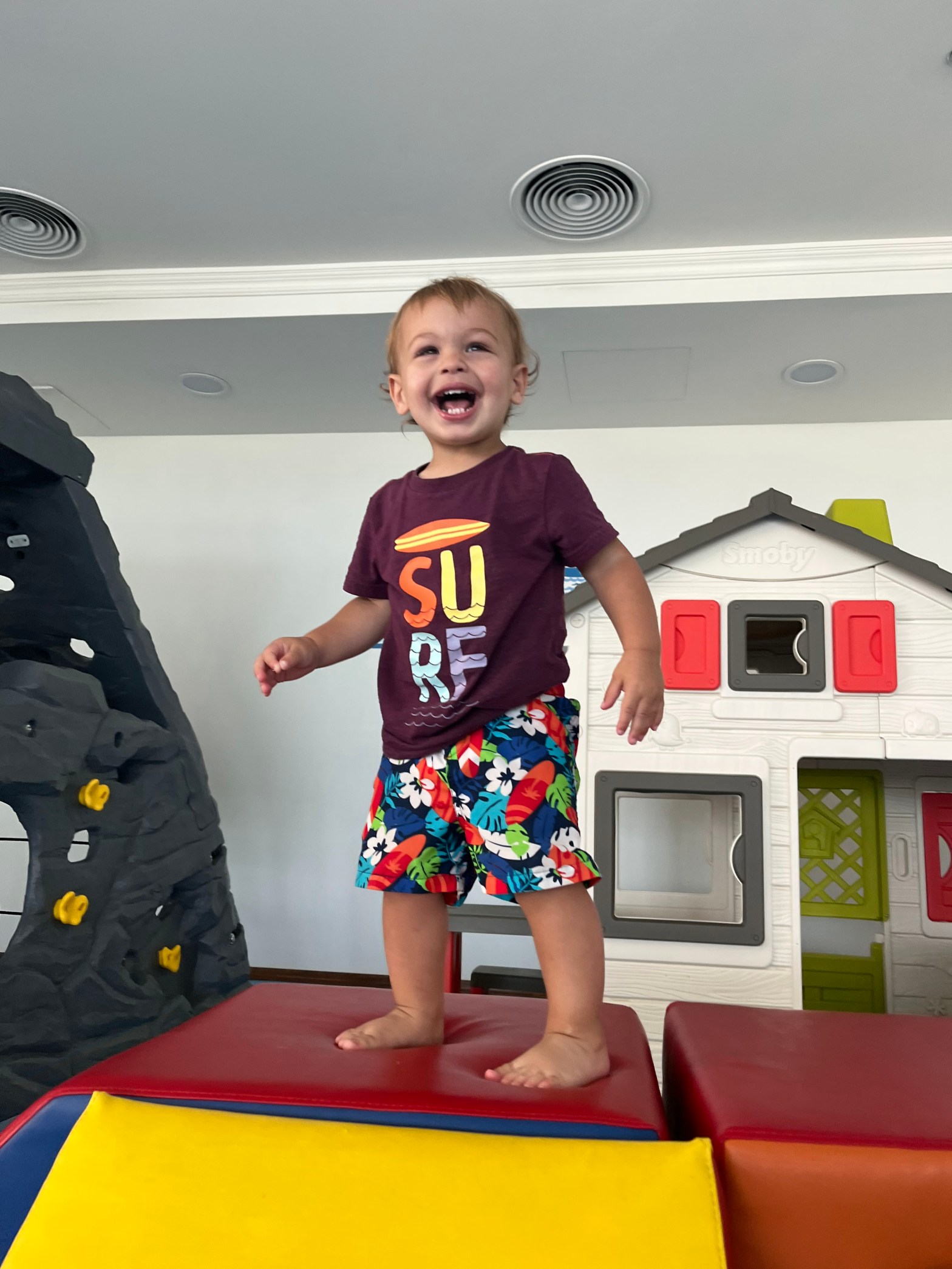
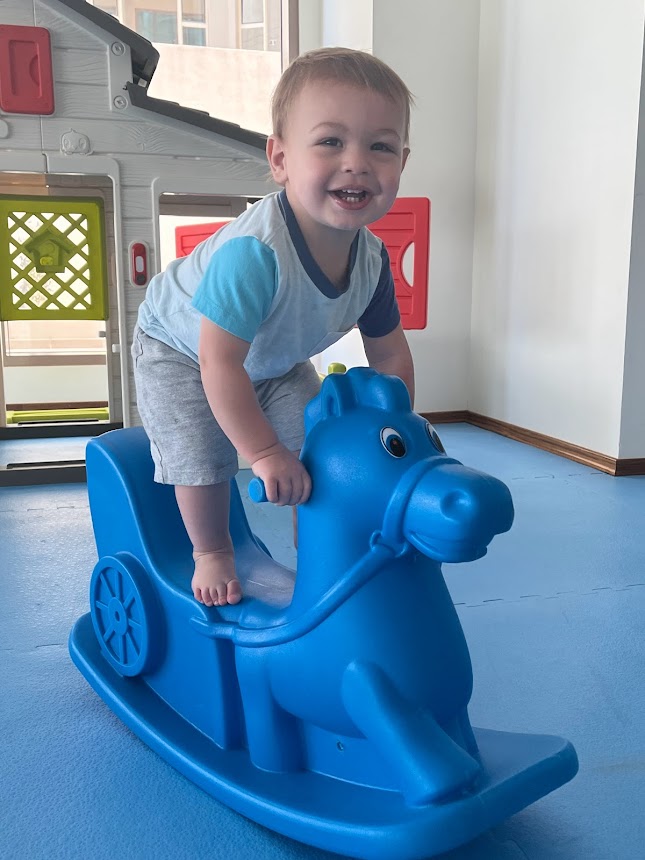
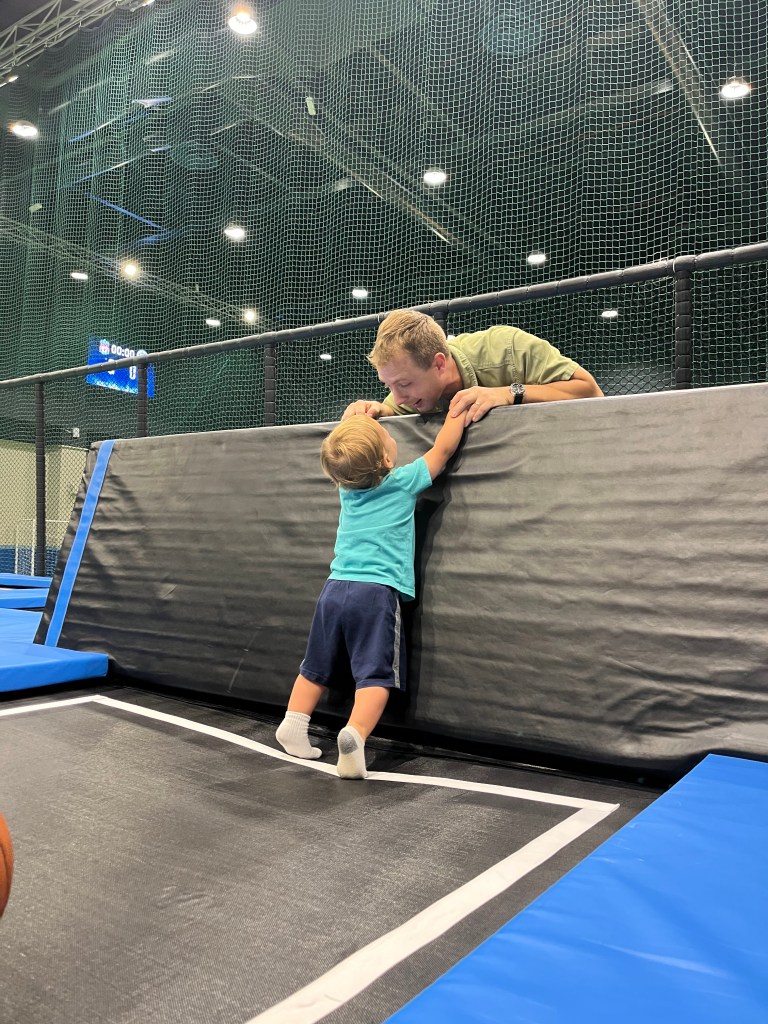
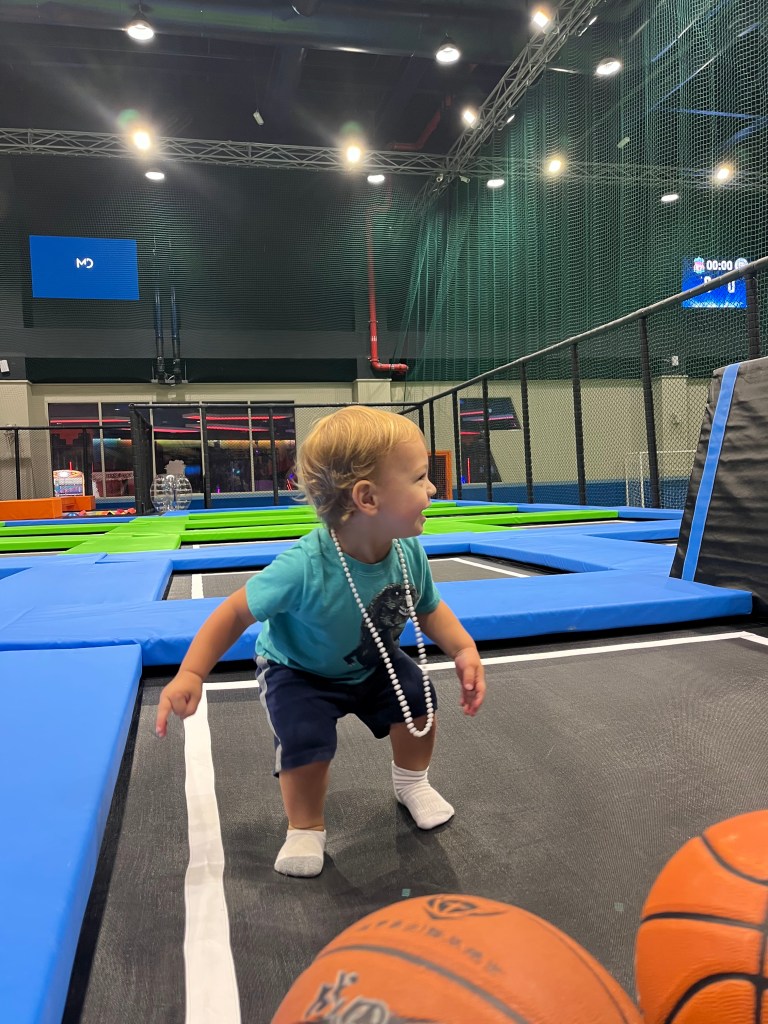
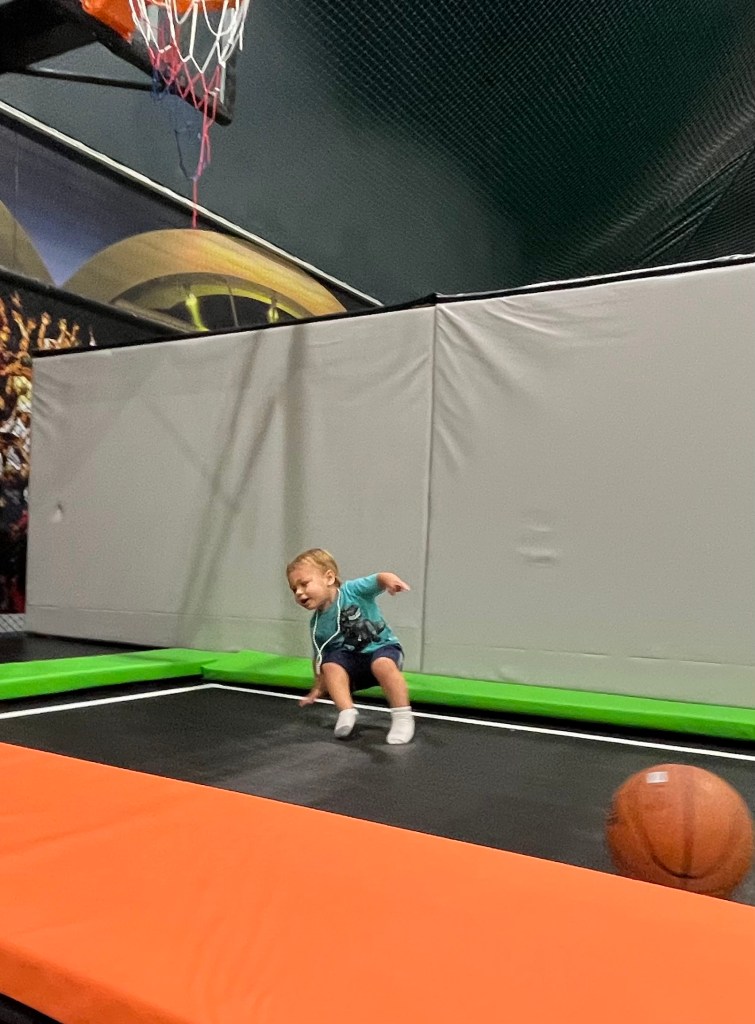
- An open acceptance of kids being wild and crazy. I noticed this right away, and it made me feel right at home. Kids are not expected to sit still and be quiet here, unlike in much of the U.S. Instead, they are openly encouraged to bring life and fun to the space they are in, and this is rarely seen as a disruption. Kids are welcome everywhere and anywhere, oftentimes enthusiastically, and encouraged to have fun. Every restaurant has children’s chairs in abundance, children are everywhere in public spaces, malls, and parks, and the level of freedom they enjoy in those open areas is incredible.
- The village perspective. It seems like families in Bahrain adopt more of an “it takes a village” philosophy to parenting. What I have realized in raising Milo is that it does take a village to get it all done, but that philosophy can be hard to adopt when family is far away, or when we as parents are made to feel as if we should be doing it all. In this tiny nation of many immigrants, when a family doesn’t have its local village present they build a community around them instead. We have made so many good friends here because so many people are happy to spend time talking while our kids play, to help create connections and offer advice, and to simply be generous with their limited time. This willingness to create a culture around children, rather than just to include them, has helped us to form a new community in the process.
- Cost of cooking versus takeout. While Adam was away I really struggled to cook dinner with Milo climbing up my leg or jumping off of things he shouldn’t be able to climb on top of to begin with. But I didn’t order takeout very much because I felt guilty about the cost; it was always cheaper to prepare food with what I had than to order out. In Bahrain, however, that has changed. The cost of takeout is much closer (and sometimes cheaper) to the cost of cooking for ones’ self. Thus, ordering takeout doesn’t feel nearly as bad, and actually feels more like an adventure instead. Delivery fees are usually 500 fils ($1.33) or fewer, and if you order from more local places a dinner for all three of us with a lot of leftovers comes out to about 5-6 BHD ($13.00-16.00 total). We order a lot of Indian and Thai food, and those restaurants (as well as pizza) tend to be on the less expensive side in general out here, too.
- Local fruits and vegetables are cheaper than regular snacks. Bahrain is not a cheap country, but there are noticeable cost differences when compared to the U.S. that can be very good for my frugal soul. A half-kilo (1 lb) container of grapes grown in the Middle East costs about 0.5 BD, which equals about $1.30, and a bushel of local peaches costs about 0.8 BD ($2.35). In comparison, a large box of Goldfish crackers costs about $9.00, and fruits imported from the US can cost even more. We admittedly pay for the Goldfish because we all love them so much, but it is very nice to be able to buy a couple kilograms of good (and usually new to us) fruits every time we go shopping for a fraction of the cost of other available snacks. Vegetables follow the same pattern: grown in the region means much cheaper than they would be even back in the US, and a lot of variety, with new kinds we’ve never even tried before.
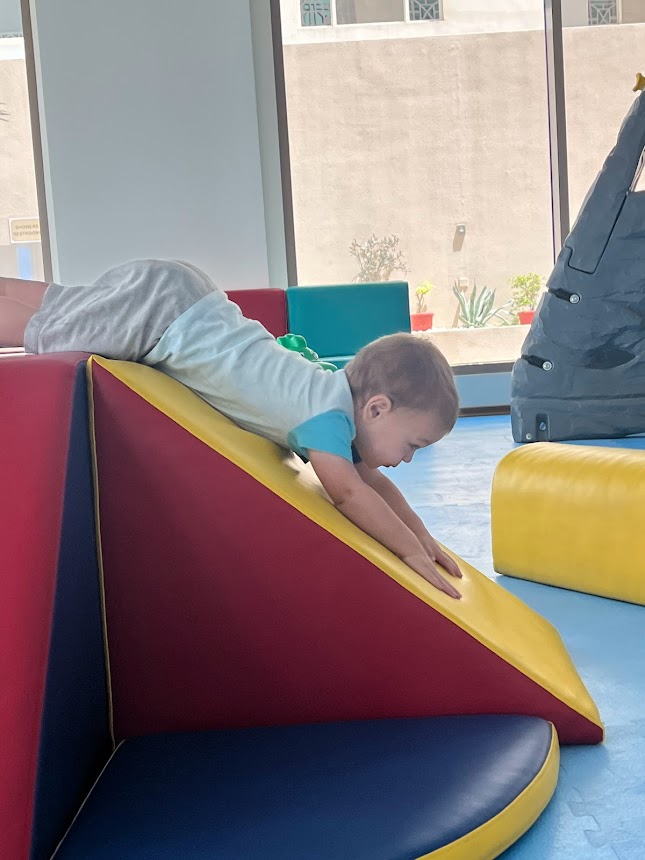
- Weather does not cancel daily schemes. Back in the U.S. when it rained it seemed like fun (or my kind of fun i.e. exploring outside) was cancelled for the day. However, because in the summer Bahrain is almost always unbearable during the day outside, they have built endless fun things to do inside with kids that are affordable, interactive, and fun. Every mall has a massive kids play area with slides and ballpits and interactive games, many have arcades with rides as well, and some even have indoor water slides and rock walls. Playgrounds abound and are usually covered by massive circus-tent sized awnings to create shade, and outdoor pools are covered as well. You can always leave home and beat the heat without getting bored with the little ones, and it is a good opportunity to explore new areas we might not otherwise see.
One point to remember, however, is that costs in Bahrain are different than back in the U.S. Labor tends to be cheaper, meaning goods and services are more affordable for those of us fortunate enough to be able to afford them. Thus, cleaning services, childcare services, food delivery services, and other conveniences out here are so available because the workers make much less than they would elsewhere. They also often make more than they would back home, and we try to tip everyone we get a service from as a courtesy. Because of this some of these parenting differences will not be able to be recreated when we return home, but some of the child-friendly mindsets we have encountered very much can be 🙂
 Tiny Treks